Introduction
Ask ten businesses what a chatbot should cost and you’ll get ten confident wrong answers. Everyone budgets like it’s a single purchase. Then month three hits: integration bills nobody flagged, a data cleanup job nobody scoped, and a bot that runs fine on paper but nobody trusts enough to point customers toward.
A $500 bot and a $50,000 bot aren’t cousins. One answers “what are your hours?” The other pulls account history, judges when to escalate, and gets sharper every month. Most of the pain comes from buying one while needing the other.
Here’s what’s actually worth knowing: the chatbot types, the features worth paying for, real costs, real timelines, and what to ask before you sign anything.
Types of AI Chatbots for Businesses
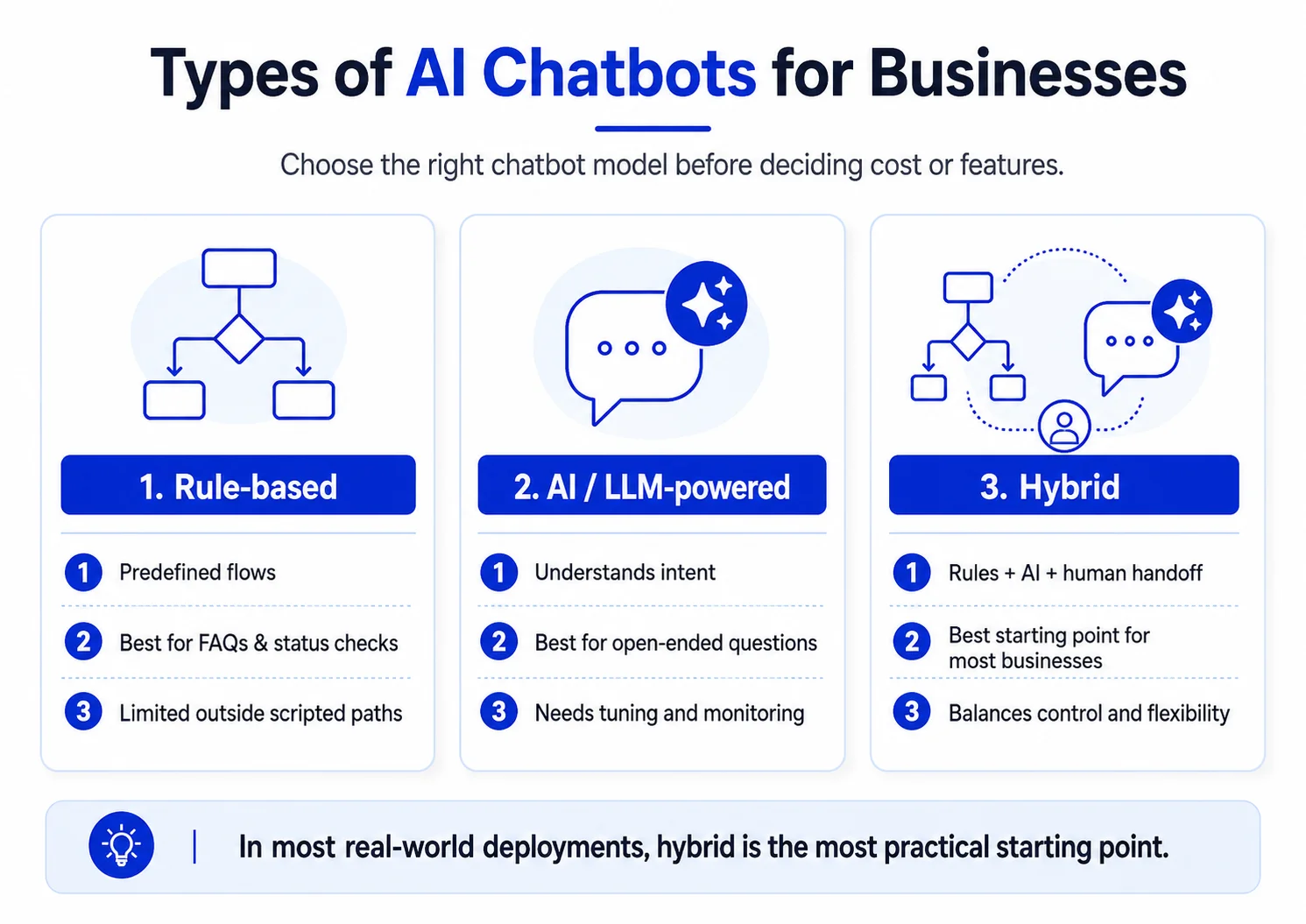
Before talking about features or cost, figure out which category you actually need. This alone eliminates half the confusion in most vendor conversations.
| Type | How it works | Best for | Limitation |
|---|---|---|---|
| Rule-based | Follows decision trees. If customer says X, bot responds with Y | High-volume, predictable queries (order status, hours, FAQs) | Breaks the moment a query falls outside the script |
| AI/LLM-powered | Uses NLU to interpret intent, not just keywords; generates responses | Ambiguous, open-ended, or context-heavy conversations | More expensive; needs ongoing tuning to stay accurate |
| Hybrid | Rule-based flows for high-certainty tasks + AI for everything else, with human handoff for edge cases | Most businesses starting out | Requires clear logic for when to route where |
Most businesses that think they need a “smart AI chatbot” would actually be better served, at least initially, by a well-designed hybrid. It’s cheaper, more controllable, and gives you a foundation to layer in more AI capability once you understand your actual usage patterns.
Is an AI Chatbot Right for Your Business Right Now?
Not every business needs one yet, and that’s worth being honest about before you spend anything. You’re probably ready if:
- Your team handles 50 or more repetitive support queries a week that follow a predictable pattern
- Support headcount can't scale at the same rate as customer or order growth
- Customers are already reaching out across multiple channels (website, WhatsApp, email) and getting inconsistent response times
- You have usable data (product docs, past support tickets, FAQs) that a bot could actually learn from
- Leadership is asking for cost or headcount efficiency, and support is a visible line item
If two or three of these sound familiar, you’re a good candidate. If none do, a chatbot might solve a problem you don’t have yet, and that’s fine to say out loud.

Not sure what type of chatbot fits your business?

Key AI Chatbot Features for Businesses (vs. Vendor Feature-Lists)
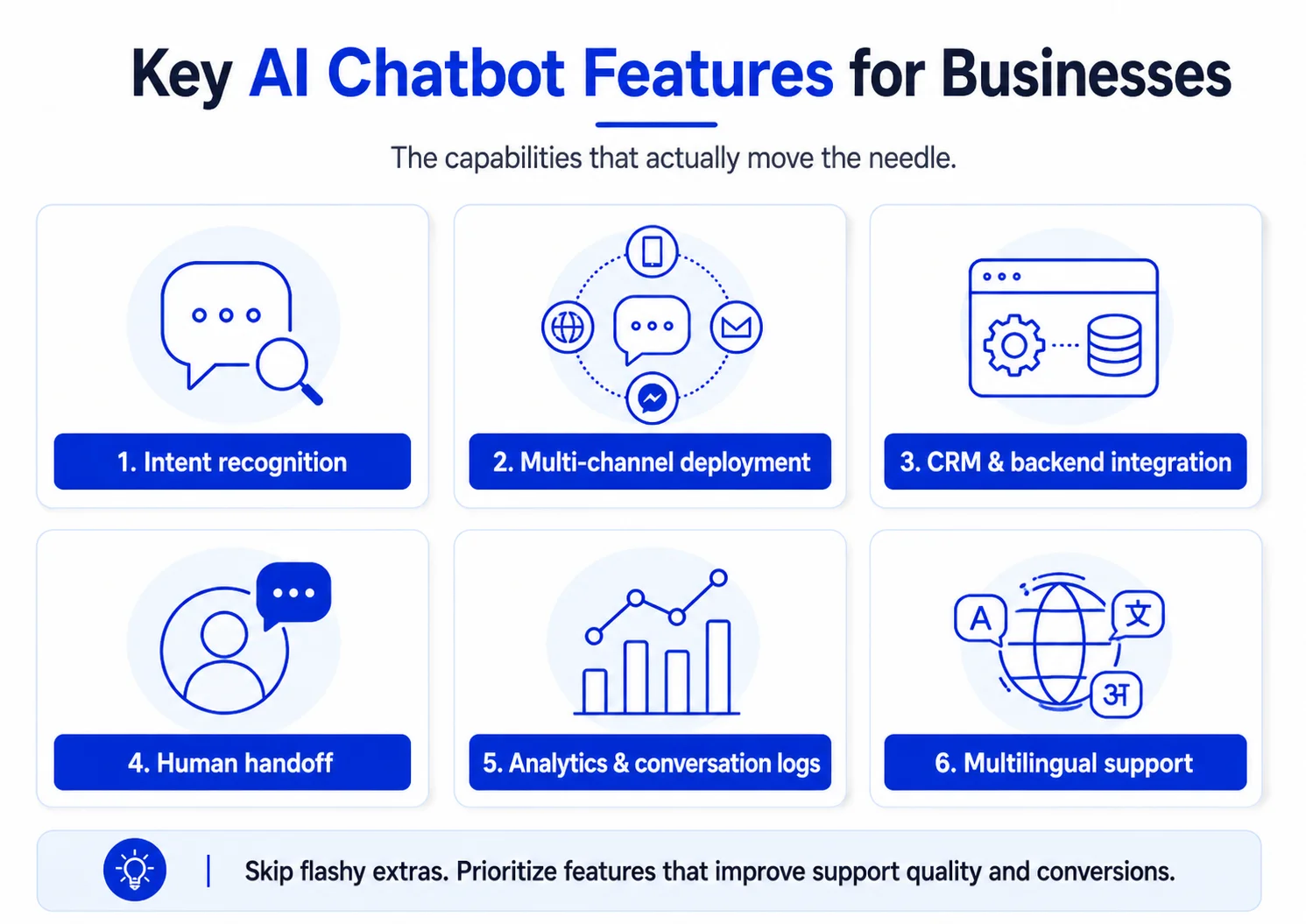
Every chatbot vendor’s website lists the same 15 features. Most of them don’t move the needle. Here’s what actually does:
Intent recognition that's tuned to your domain
A generic NLP model that hasn't been trained or prompted with your product terminology, edge cases, and tone will misfire constantly. This is where most "it doesn't understand our customers" complaints come from.
Multi-channel deployment
Your bot should live on the website, WhatsApp, Slack, or wherever your customers already are. A chatbot that only lives on your website misses most of your actual traffic if your customers reach you through WhatsApp or a support inbox.
Backend and CRM integration
A bot that can't pull real account data or push a lead into your CRM is a glorified FAQ page. This is usually where cost and complexity actually live, not in the "AI" part.
Human handoff, done well
This means more than a fallback button. It means a handoff that carries full conversation context to the human agent so the customer doesn't have to repeat themselves.
Analytics and conversation logs
You need to see where the bot is failing, where users are dropping off, and what's actually being asked, or you're flying blind on improving it.
Multilingual support
If you operate across MENA, APAC, or any multi-market region, this isn't a nice-to-have. A bot that only works in English will silently underperform for a large share of your actual customer base.
Notice what’s missing from this list: “powered by GPT-4,” flashy avatars, voice cloning. Those are marketing features. They rarely correlate with whether the bot actually reduces support load or converts leads.
AI Chatbot Development Cost Breakdown
This is the section most people are here for, so let’s be direct about it. Costs vary widely based on scope, but here’s a realistic range across three common tiers:
| Tier | Cost range | What’s included |
|---|---|---|
| Basic rule-based | $1,000–$5,000 | Scripted FAQ bot, single channel, no backend integration |
| Mid-tier AI chatbot | $8,000–$25,000 | NLP-based intent recognition, 1–2 channel integrations, basic CRM/backend connectivity, custom training on your data |
| Custom enterprise-grade | $30,000+ | Multi-system integrations (CRM, ERP, ticketing), robust human handoff, compliance/security requirements, ongoing model tuning |
What actually drives the cost up isn’t the AI itself. It’s almost always one of these three things:
Data readiness
Messy, scattered, or outdated product docs, FAQs, and support logs need cleanup and structuring before a bot can use them well. This is often the single biggest hidden cost.
Integration complexity
Every additional system the bot needs to talk to, whether that's a CRM, order management, or internal ticketing, adds real engineering time.
Ongoing maintenance
This isn't a one-time build. Budget 10 to 20 percent of the build cost annually for monthly tuning, retraining, and monitoring.
If a vendor quotes a single flat number with no mention of these three factors, ask what happens when scope changes, because it usually does.
AI Chatbot ROI: What to Expect
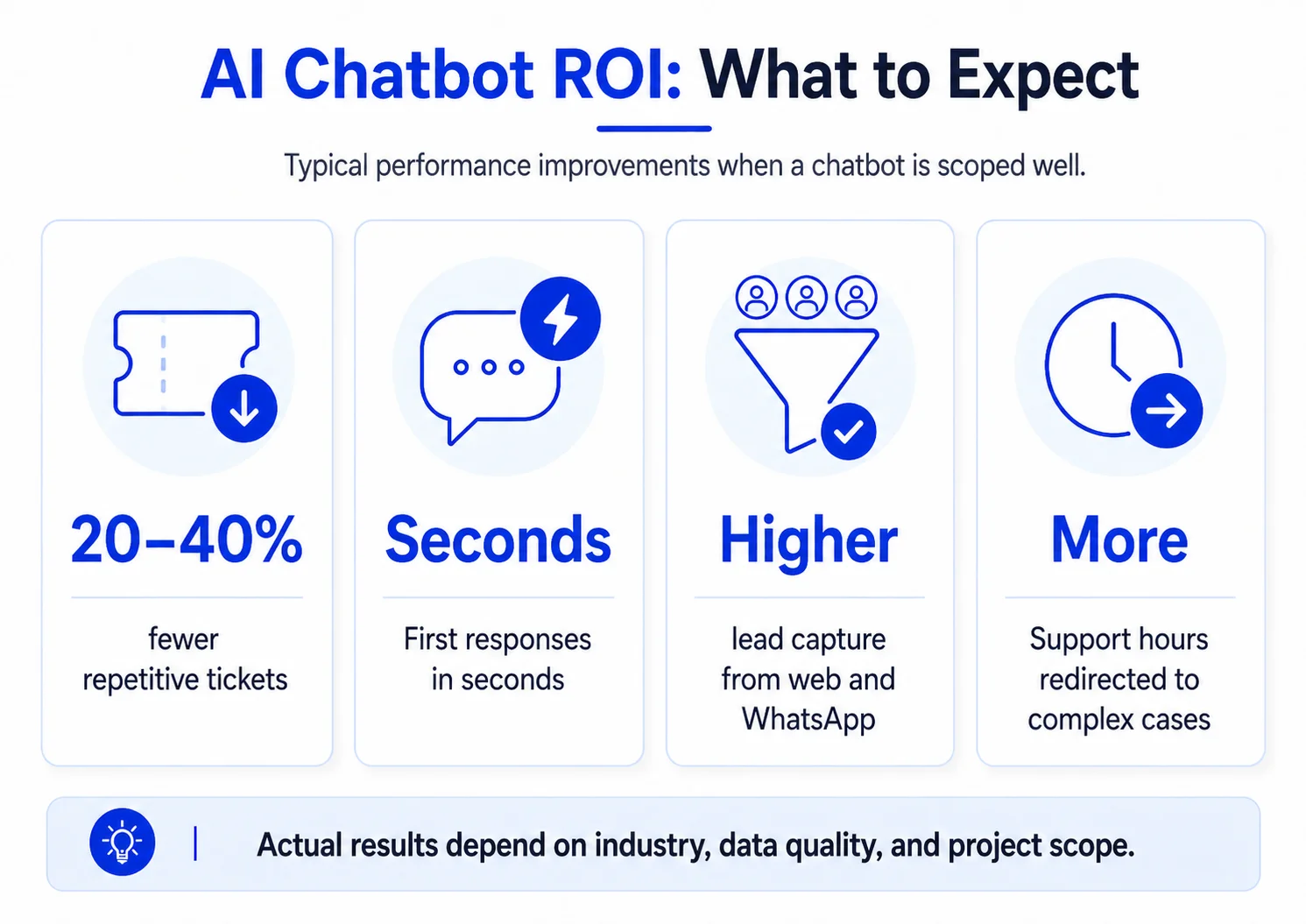
Cost is only half the conversation. The number that actually justifies the spend to a CFO is what comes back. Directionally, businesses that deploy a well-scoped chatbot tend to see:
- 20 to 40 percent reduction in repetitive support ticket volume within the first few months.
- Faster first response times, often from hours down to seconds for common queries.
- Higher lead capture on website and WhatsApp traffic that would otherwise bounce without a fast response.
- Support team hours redirected toward complex cases instead of repetitive ones, which is usually where the real cost savings show up.
These numbers move a lot depending on your industry, data quality, and how well the bot is scoped in the first place, so treat them as a planning range, not a guarantee. But they’re useful for building the internal business case before you commit a budget.
How Much Could an AI Chatbot Save Your Business?
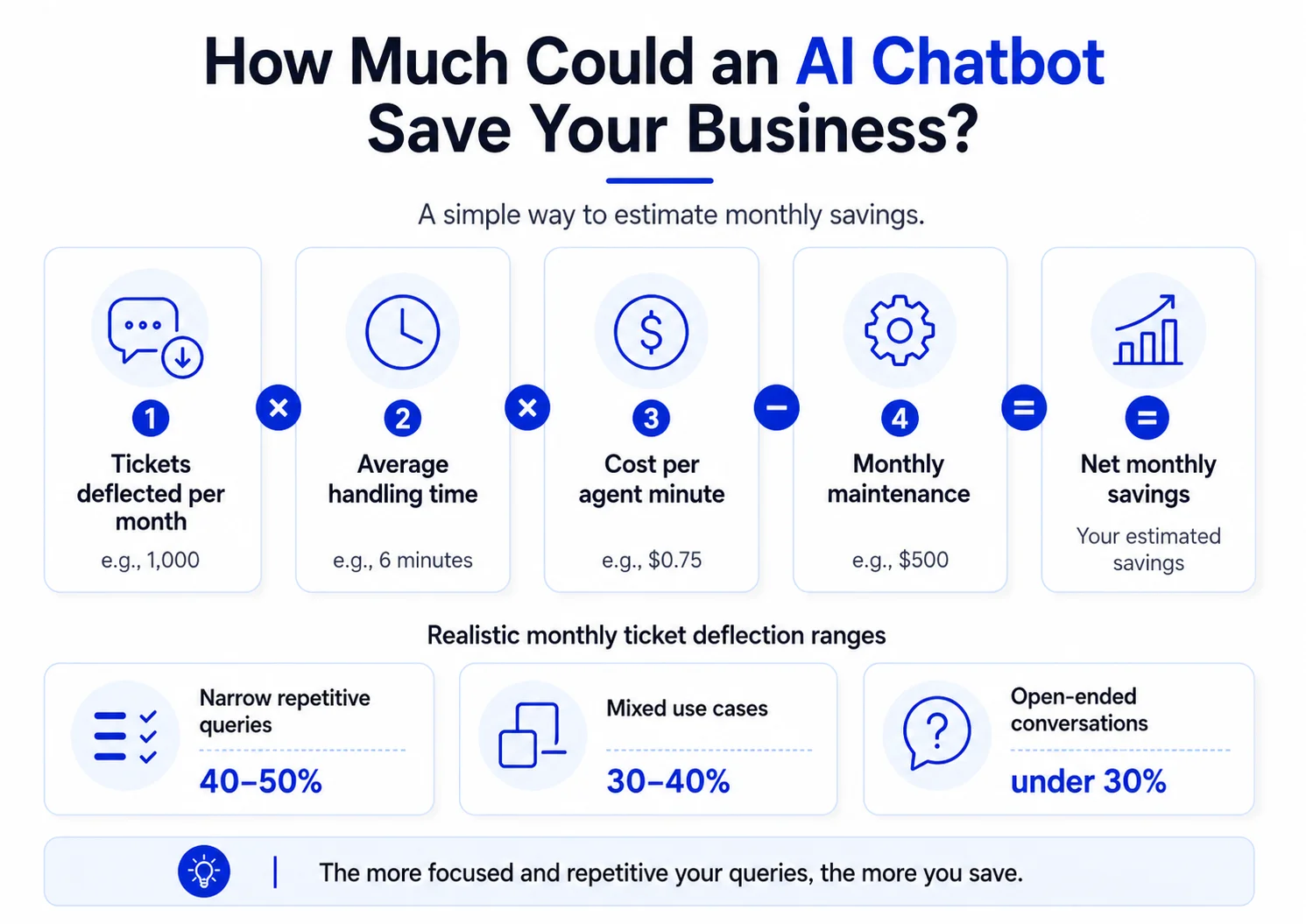
The math is simpler than most vendors make it sound. Savings come down to three numbers you already have: how many repetitive queries your team handles each month, how long each one takes an agent to resolve, and what an agent’s time actually costs per minute.
The Formula:
Most of that formula is just your existing support data. The only new number is deflection rate, the share of queries the bot can fully resolve without a human. Realistic ranges by query type:
| Query type | Deflection rate |
|---|---|
| Narrow, repetitive (order status, account lookups) | 40–50% |
| Mixed use cases | 30–40% |
| Open-ended, judgment-heavy conversations | Under 30% |
This isn’t a precise forecast. Your actual number depends on ticket mix, data quality, and how well the bot is scoped. But it’s a defensible starting estimate, and it’s the same math a CFO will want to see before approving the budget.
AI Chatbot ROI Calculator: A Simple Example
Take a distribution business fielding 2,000 support tickets a month across email and WhatsApp. A chatbot handling order status, invoice lookups, and stock queries deflects 40 percent of that volume. Each of those tickets would have taken an agent about 6 minutes to resolve, at a fully loaded cost of $0.40 a minute.
That works out to 800 deflected tickets, 4,800 minutes of agent time saved, and $1,920 in gross monthly savings. After the bot’s $800 monthly maintenance cost, that leaves $1,120 in net savings a month, or roughly $13,440 a year. Against a $15,000 mid-tier build, the payback period lands around month 13, and every month after that is pure savings.
Swap in your own numbers and the shape of the calculation stays the same. It’s worth running before a scoping call, since it turns “we think we need a chatbot” into “here’s what it needs to save to pay for itself.”
AI Chatbot Development Timeline: How Long Does It Take?
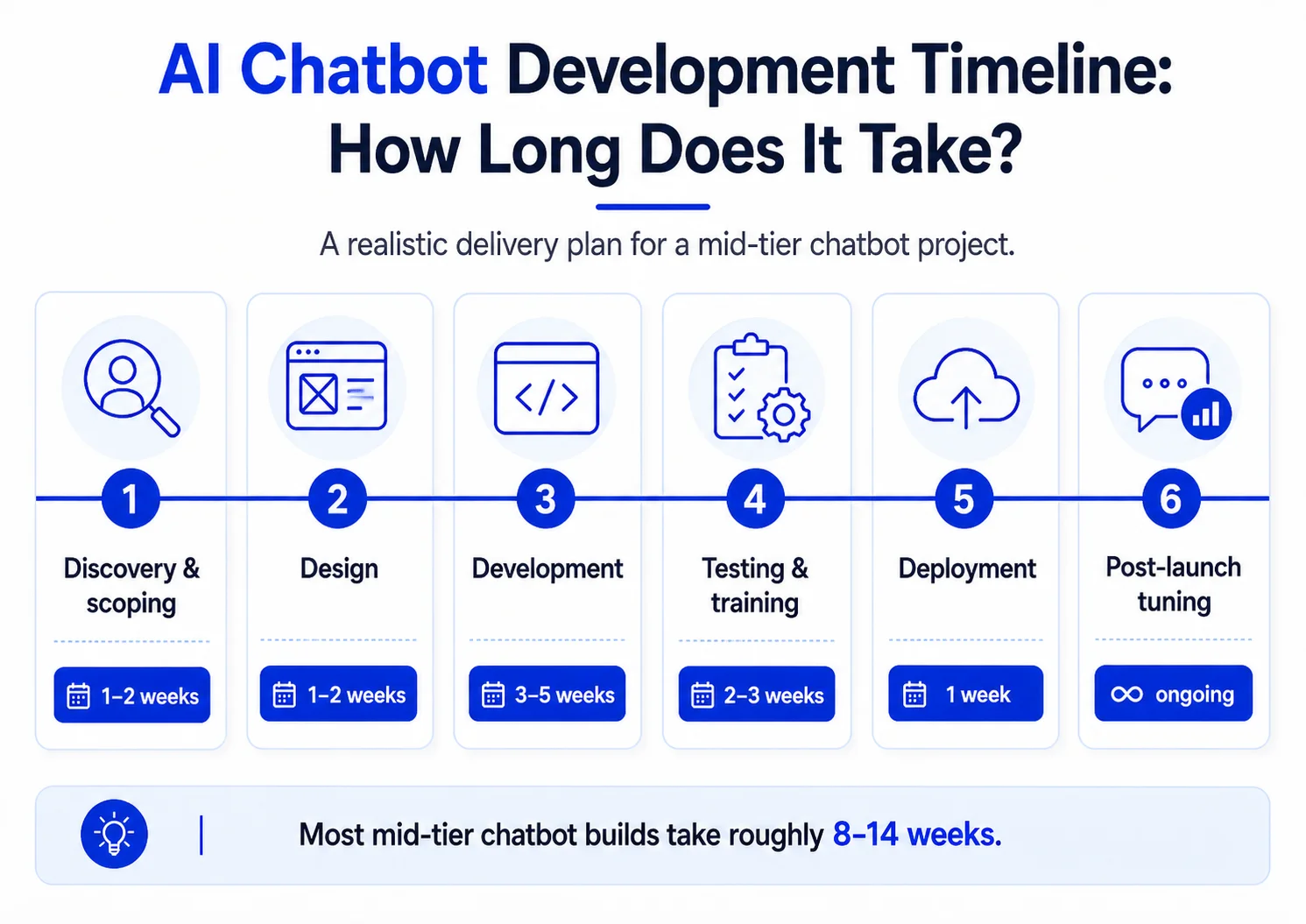
A realistic chatbot project, mid-tier complexity, typically runs 8–14 weeks:
| Phase | Duration | What happens |
|---|---|---|
| Discovery & scoping | 1–2 weeks | Define use cases, map existing data sources, identify integration points |
| Design | 1–2 weeks | Conversation flows, fallback logic, tone and brand voice |
| Development | 3–5 weeks | Core build, NLP training, integration work |
| Testing & training | 2–3 weeks | Real conversation testing, edge-case handling, staff training on monitoring |
| Deployment | 1 week | Soft launch, usually to a subset of traffic first |
| Post-launch tuning | Ongoing | The first 4 to 6 weeks typically surface issues pre-launch testing doesn’t catch, since real users ask things you didn’t anticipate |
Anyone promising a fully custom, integrated chatbot in two weeks is either overselling the “custom” part or underselling the integration work.
Build vs. Buy vs. Partner: Choosing Your AI Chatbot Development Approach
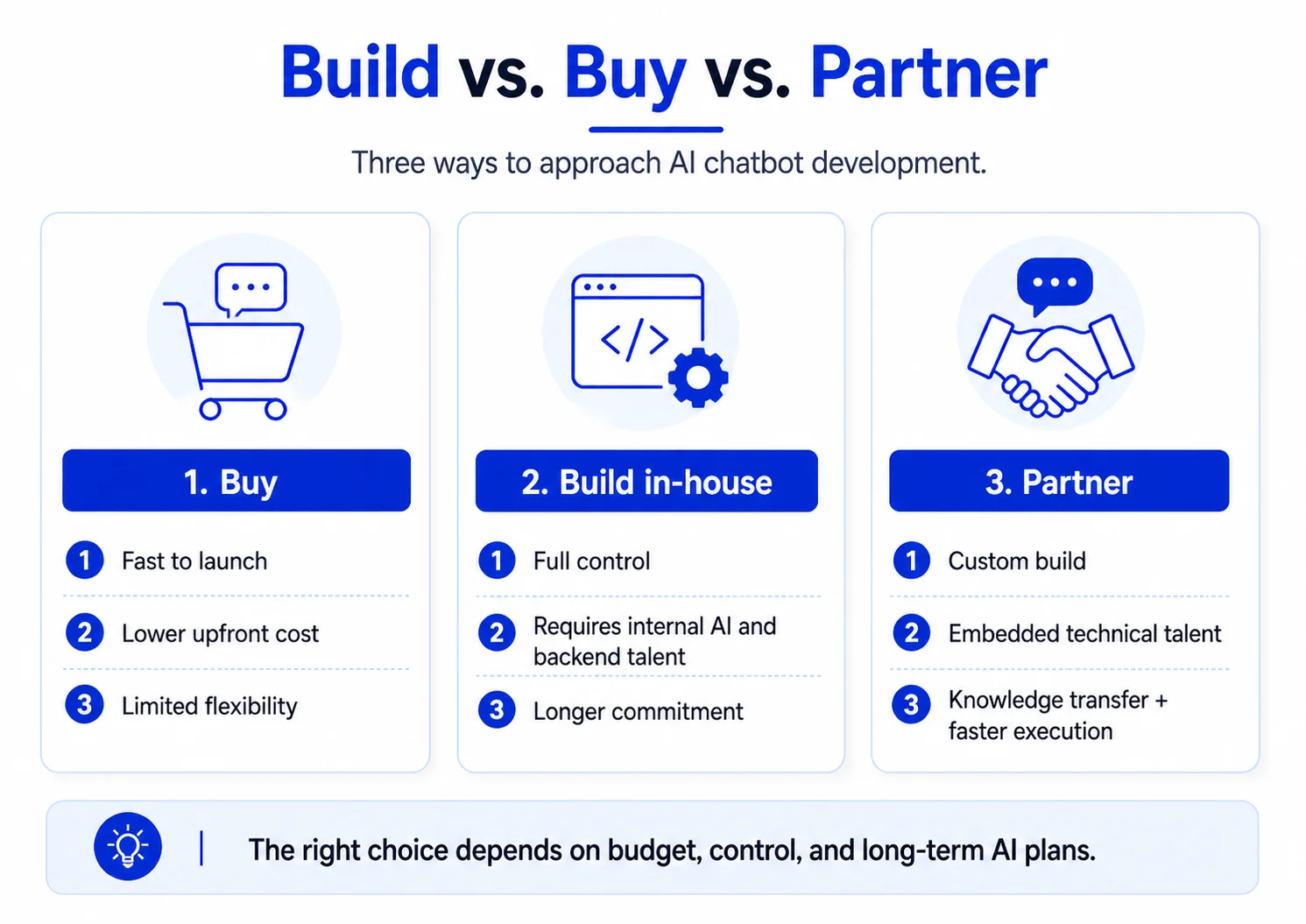
There are three real paths here, and the right one depends less on budget and more on how much ongoing control you want.
Fast, cheap, and fine for narrow use cases. You’re limited to the platform’s capabilities and integration ecosystem, and you’re renting, not owning, the underlying system.
Full control and ownership, but this requires having or hiring the AI/ML and backend talent to build and maintain it, which for most businesses outside of tech is a bigger commitment than it looks like on paper.
This is a middle path a lot of businesses underuse. It means bringing in AI engineers who work alongside your team, rather than an agency that disappears after handoff, to build something custom while your internal team absorbs the knowledge to maintain it long term. This tends to work well for companies that want a production-grade system without staffing an entire AI team from scratch.
There’s no universally right answer here. It depends on whether this chatbot is a one-off project or the first piece of a broader AI roadmap for your business.
OUR SUCCESS STORIES
AI & IT Success Stories
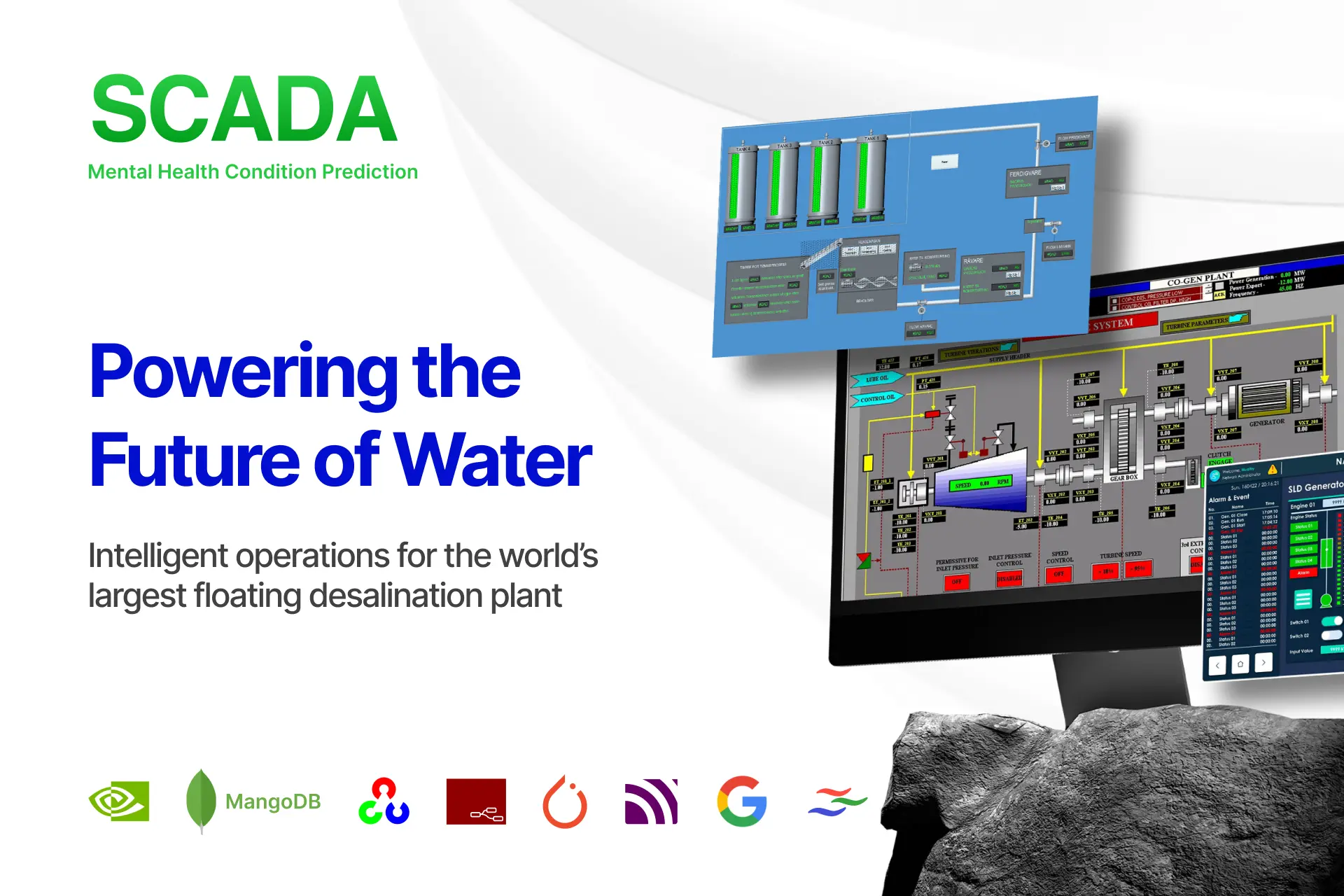
AI-Powered SCADA Optimization for the Largest Floating Desalination Plant
Improved operational efficiency by 40% and reduced downtime by 30% with AI-driven monitoring.
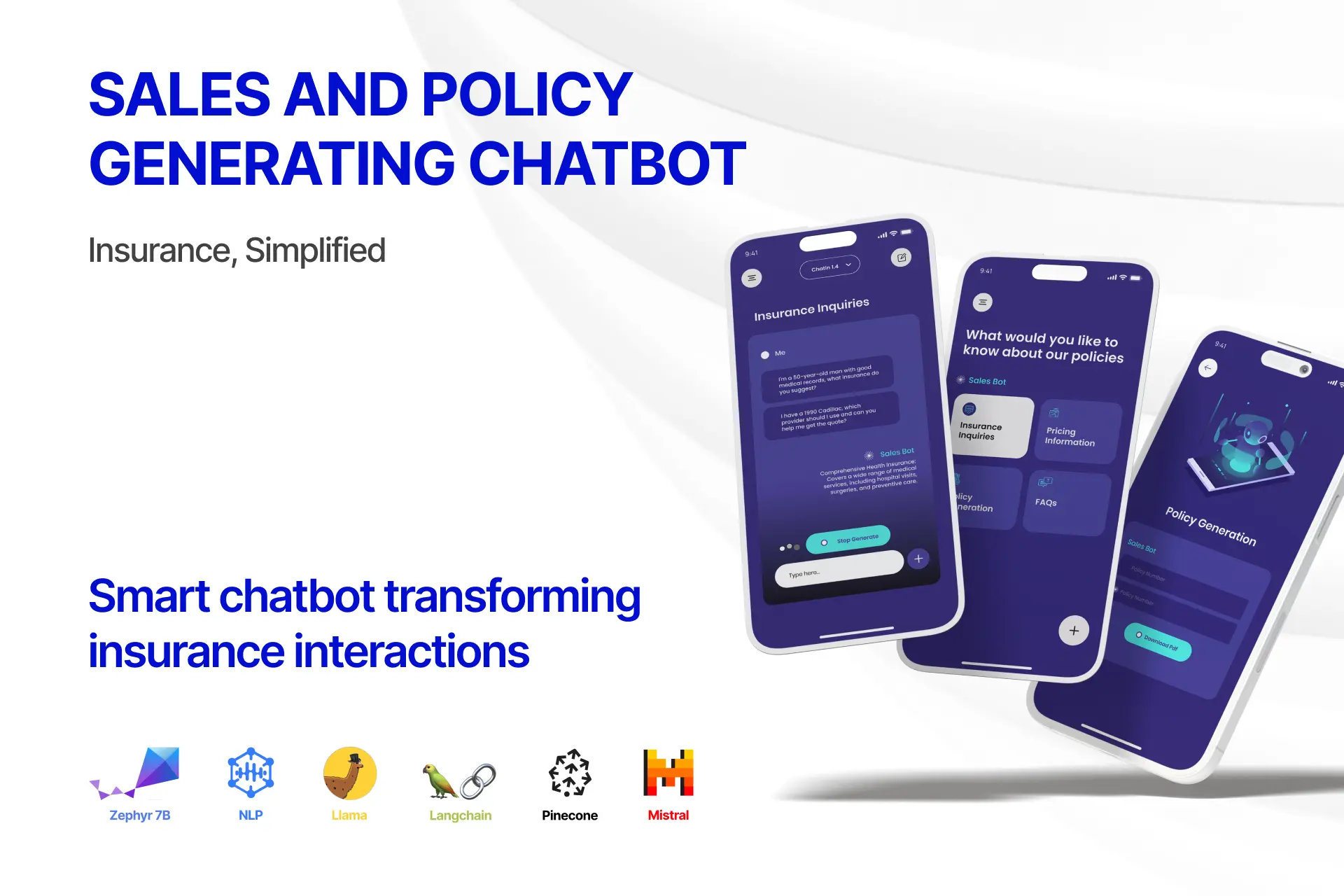
Sales and Policy Generating Chatbot
The solution was to develop a chatbot equipped with advanced NLP capabilities and risk assessment algorithms to streamline the process, making it more conversational and accessible for users.
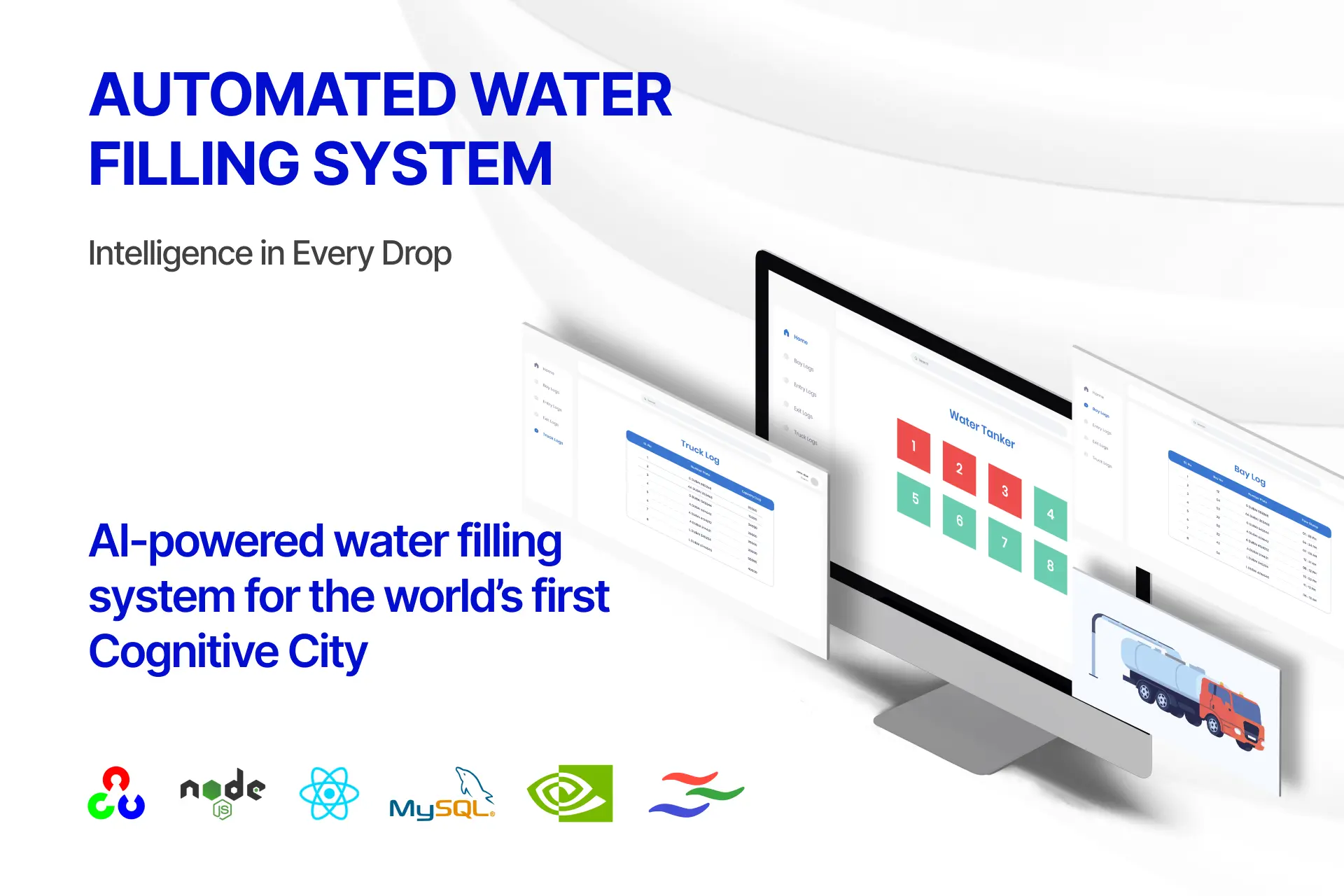
AI-driven automated water filling system
This initiative not only optimizes operational efficiency and safety but also demonstrates the transformative potential of cognitive technologies in urban infrastructure.
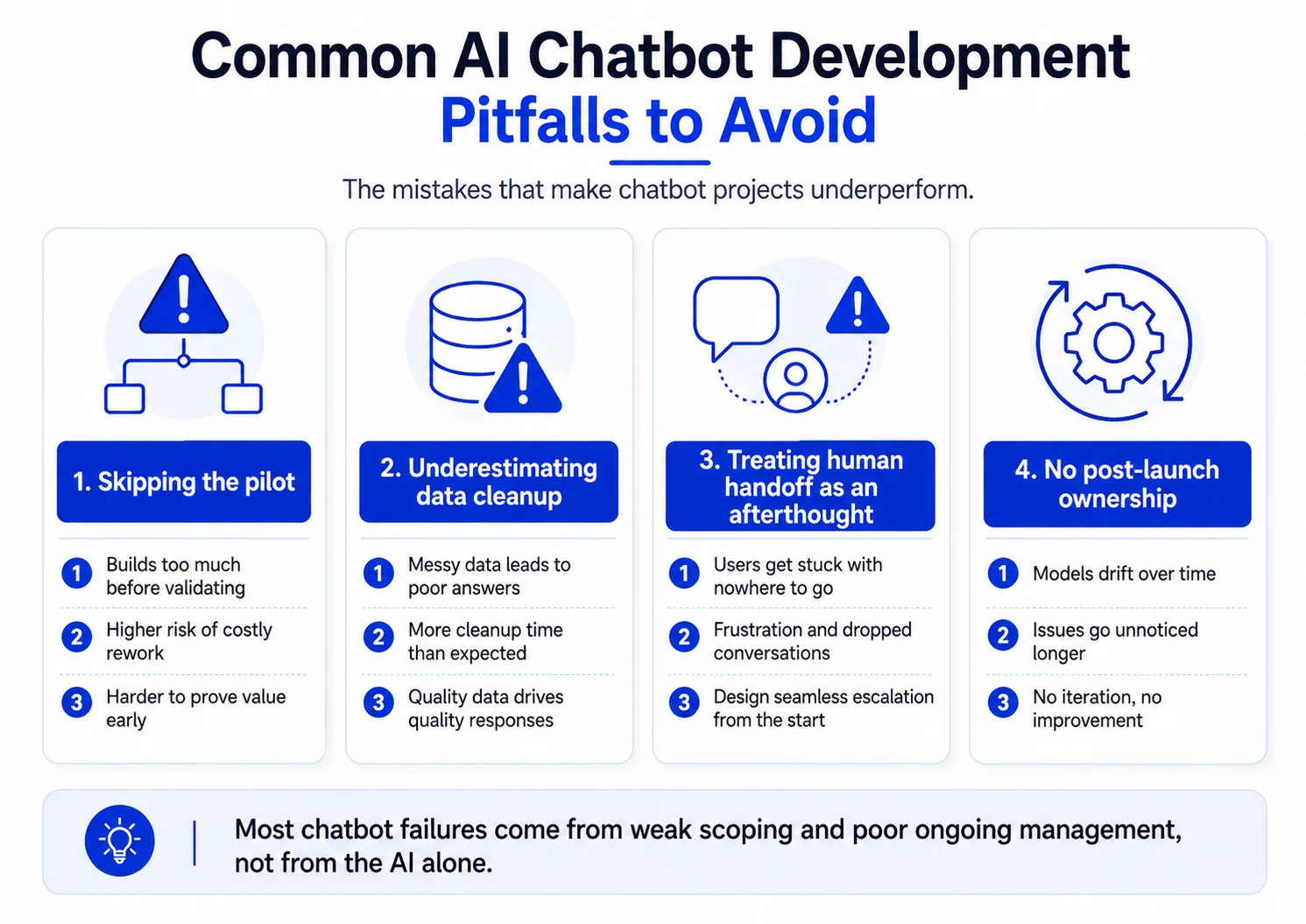
Common AI Chatbot Development Pitfalls to Avoid
A few patterns show up again and again in chatbot projects that underdeliver:
Skipping the pilot
Going straight to full deployment without testing on a limited audience first means you find your biggest problems in front of your entire customer base, not a controlled group.
Underestimating data cleanup
Teams consistently assume their existing FAQs and docs are "good enough" to train a bot on. They rarely are.

Treating human handoff as an afterthought
A bot that traps frustrated users in a loop with no clear way to reach a person does more brand damage than having no chatbot at all.

No ownership post-launch
A chatbot that nobody is actively monitoring and retraining degrades in usefulness within months, not years.
Ignoring AI governance and risk controls
Use frameworks such as the NIST AI Risk Management Framework to define how your chatbot will be monitored, evaluated, and improved after launch.
Failing to address LLM security risks
Review the OWASP Top 10 for LLM Applications to identify risks such as prompt injection, sensitive data exposure, insecure integrations, and excessive system permissions before deployment.
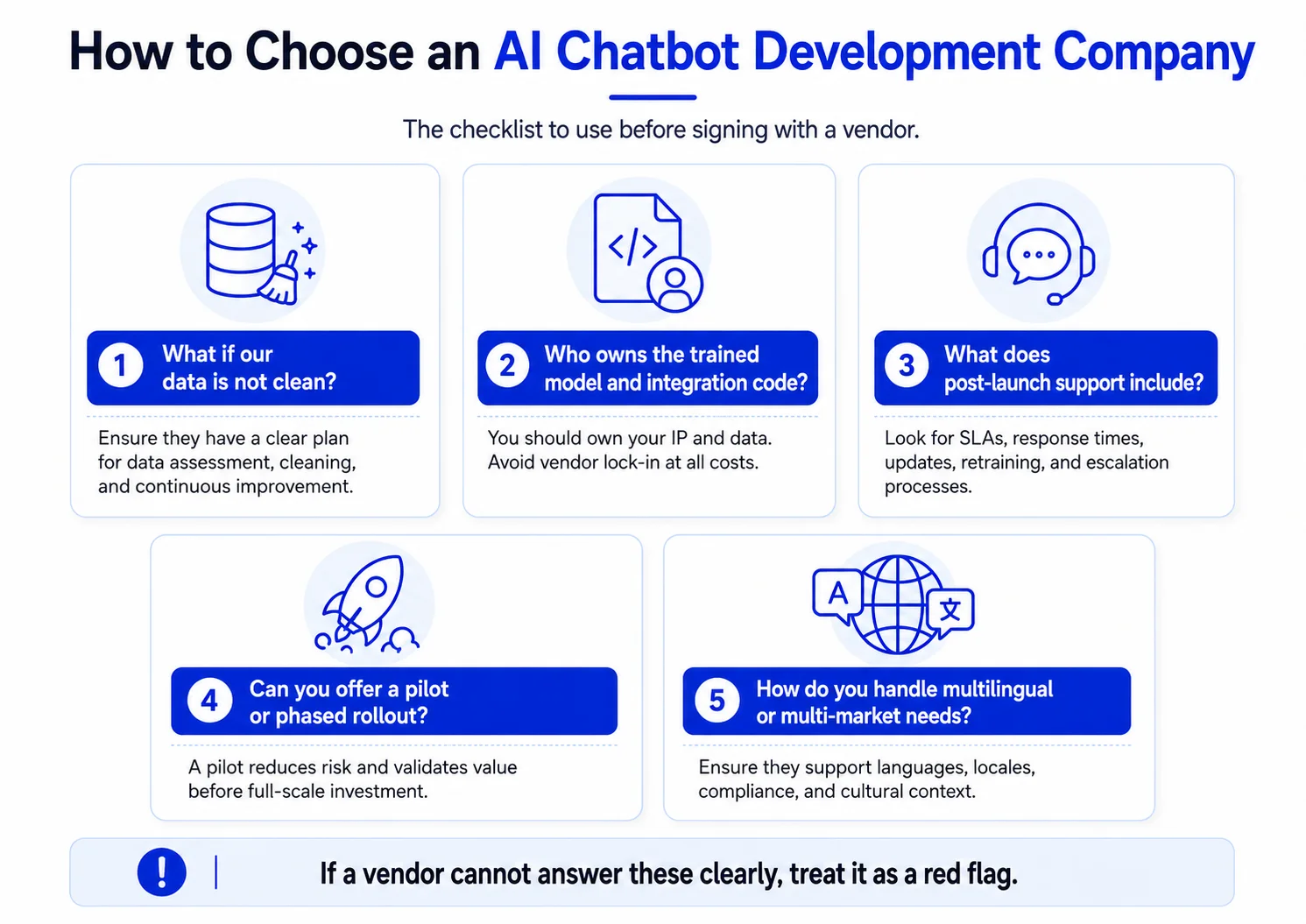
How to Choose an AI Chatbot Development Company
Before signing with anyone, ask:
- What happens to the cost and timeline if our data isn't clean when we start?
- Who owns the trained model and integration code once the project ends?
- What does your post-launch support actually include, and for how long?
- Can you show a pilot or phased rollout option instead of a full commitment upfront?
- How do you handle multilingual or multi-market requirements, if relevant to us?
If a vendor can’t answer these clearly, that’s a signal worth paying attention to.
Ready to explore a custom AI chatbot for your business?
FAQs
Costs typically range from $1,000 for a basic rule-based bot to $30,000+ for a custom enterprise-grade AI chatbot with full system integrations. Most mid-sized businesses land in the $8,000–$25,000 range.
A mid-tier AI chatbot typically takes 8–14 weeks from discovery to deployment, including testing and staff training. Simple rule-based bots can launch faster; enterprise builds with multiple integrations often take longer.
A hybrid chatbot, using rule-based flows for common queries with AI-driven handling and human handoff for anything more complex, is usually the most cost-effective starting point.
Off-the-shelf platforms work for narrow, low-complexity use cases. If you need deep CRM/backend integration, multilingual support, or a system that evolves with your business, a custom build or partner-led approach is usually worth the extra investment.
Data readiness. Cleaning and structuring existing FAQs, product docs, and support logs before training the bot is consistently underestimated and is often the largest unplanned cost in a project.
Conclusion
The businesses that get real value out of AI chatbots aren’t the ones that pick the flashiest features, they’re the ones that scope realistically, budget for data readiness and integration (not just the AI itself), and treat the first version as a pilot rather than a finished product.
If you’re weighing build vs. partner for your own chatbot project, happy to share what we’ve seen work across different industries. Feel free to reach out.