The Companies That Fix Execution Will Win the AI Race
A lot of companies have already started building AI.
Some have chatbots.
Some have dashboards.
Some have “AI-powered” workflows.
On the surface, everything looks fine.
But when we went deeper, a different picture showed up.
We recently audited 10 AI systems across companies.
Only 2 were actually working in production.
The rest were not broken in obvious ways.
They were failing quietly.
And that is the real problem.
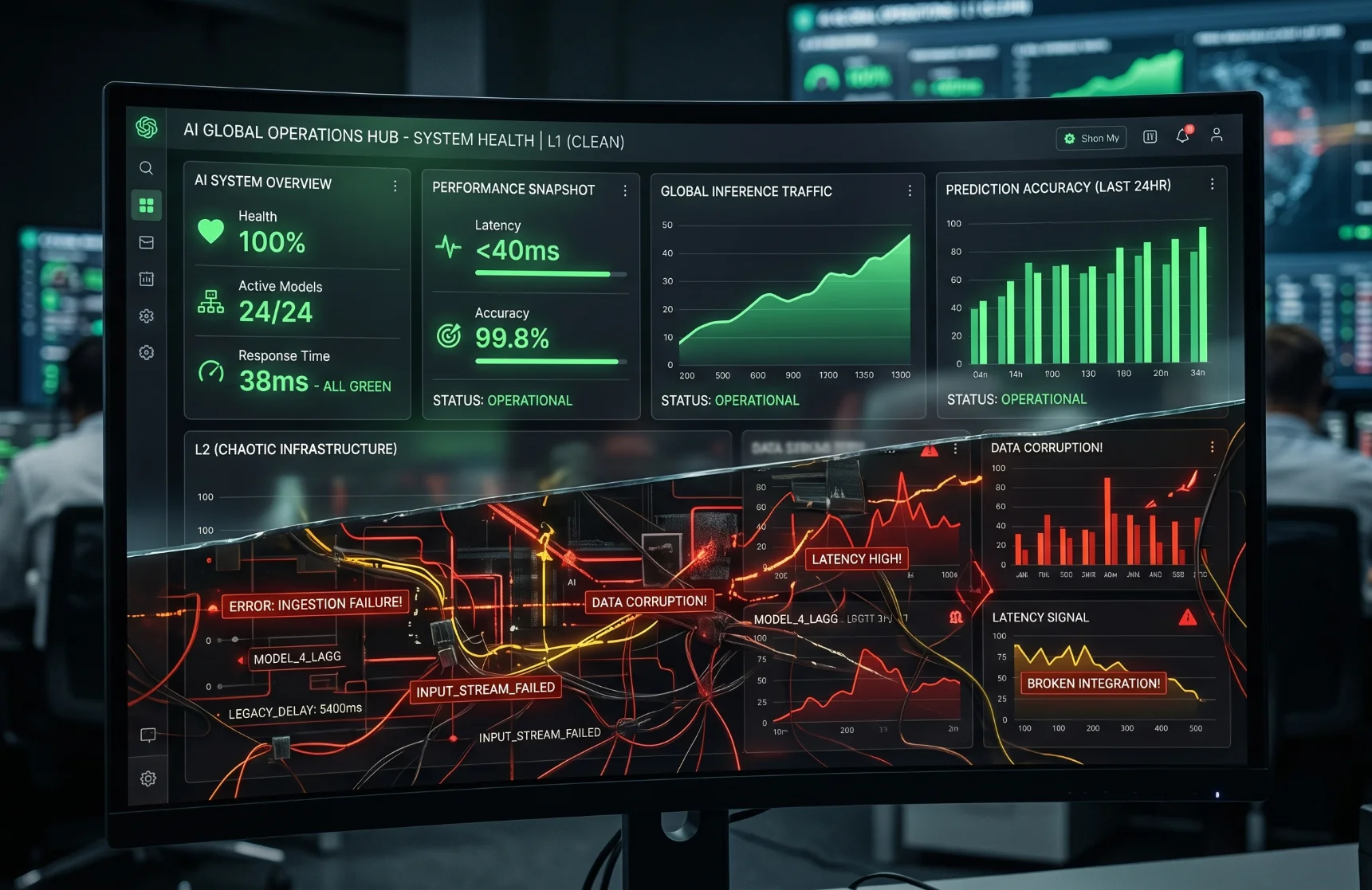
Why AI Failure Is Hard to Notice
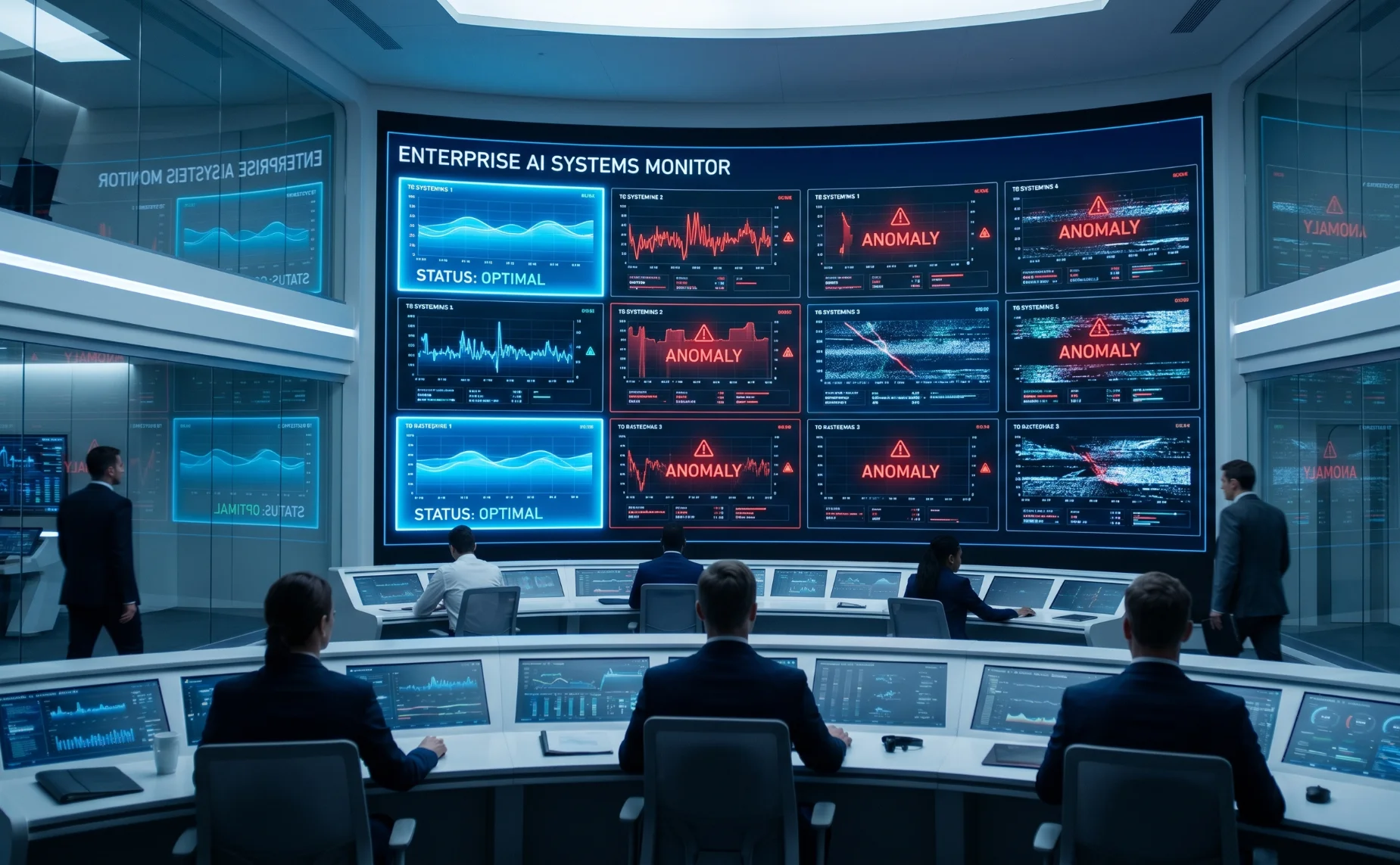
Most companies expect failure to look like this
The model does not work.
But real failure looks like this
The system runs
But no one fully trusts it
Outputs are used sometimes
But not relied on
Decisions are still made manually
The AI exists
But it does not drive the business
That is failure.
What Went Wrong in 8 Out of 10 Systems
The system was built for presentation
Not for real-world usage
Clean datasets
Perfect inputs
No edge cases
When real data came in
Performance dropped immediately
AI is not just a model
It is a pipeline
What we saw
Manual uploads
Broken integrations
Delayed data flow
Without data flow
AI becomes irrelevant
Most systems were static
No retraining
No learning
No correction
AI without feedback stops improving
And slowly becomes outdated
This was the most expensive mistake
Trying to solve everything
Instead of one clear problem
Using AI where rules would work better
No clear success metric
AI was added because it sounded right
Not because it was needed

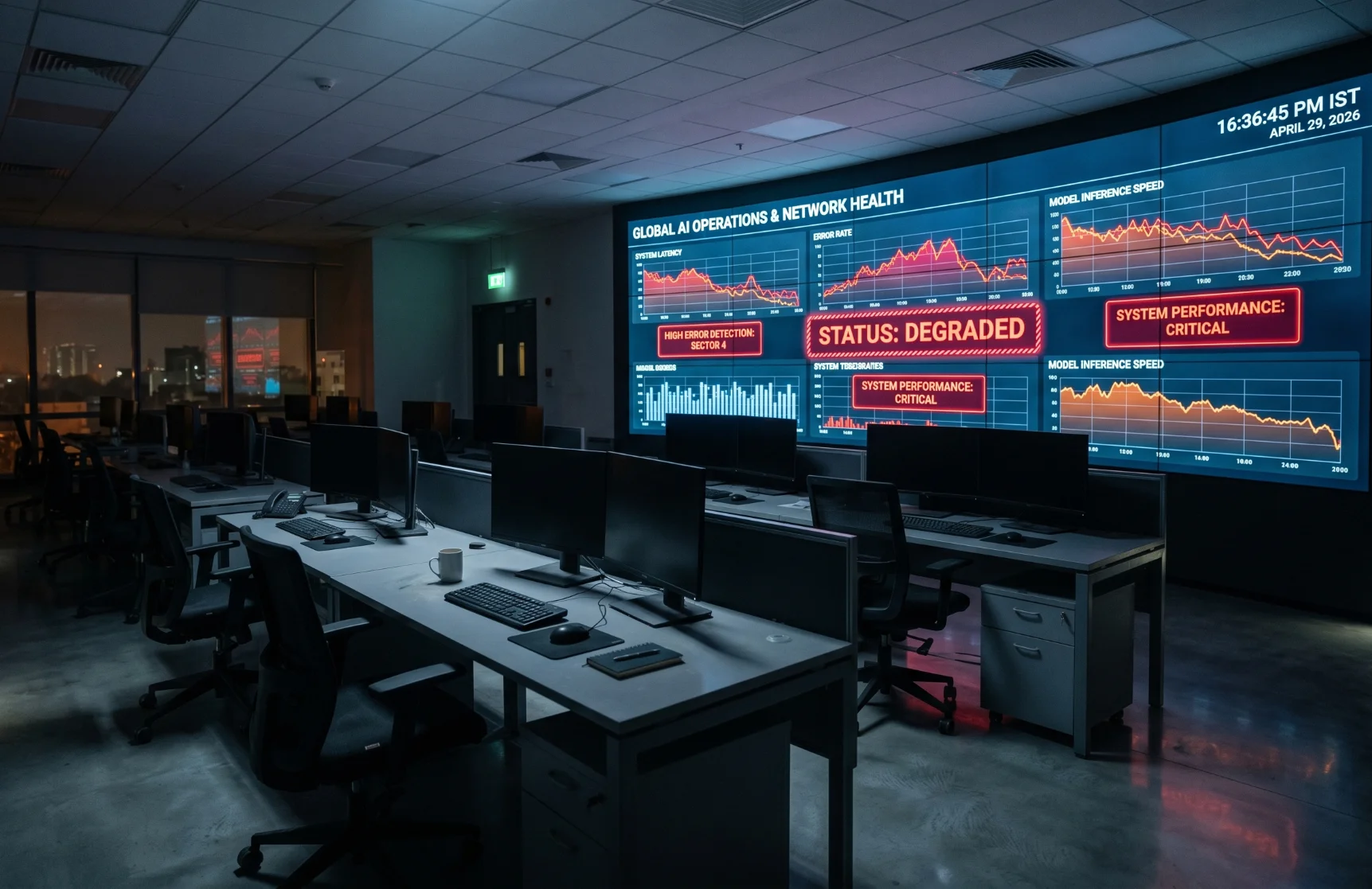
Once deployed
The system was left alone
No monitoring
No alerts
No responsibility
Over time
Performance dropped
And no one noticed
We saw systems using
LLMs
RAG
Vector databases
AI agents
But
No clear architecture
No optimization
No alignment to business need
Complexity increased
Value did not
This showed up strongly in operations-heavy businesses
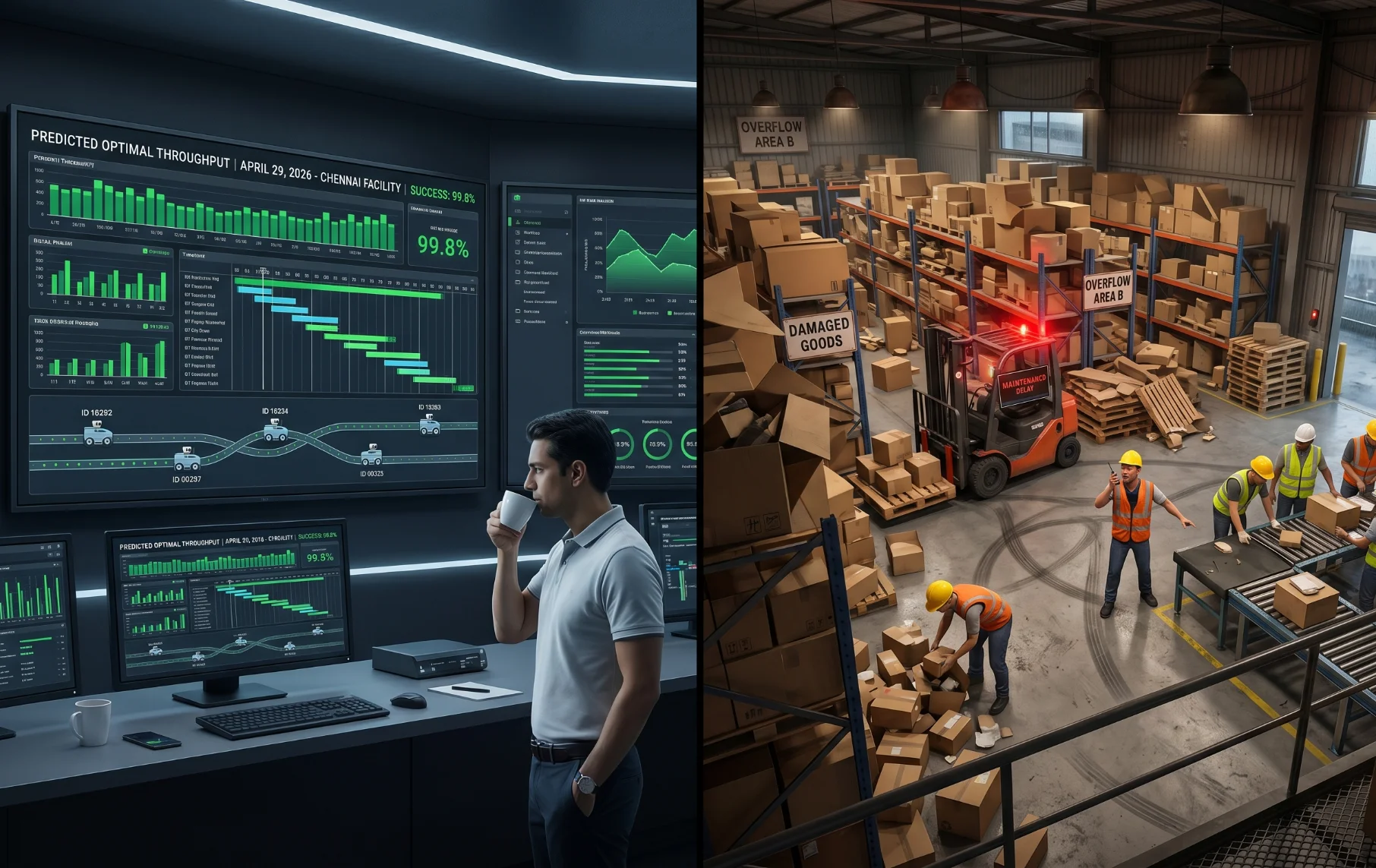
System says one thing
Reality shows another
Inventory mismatch
Delays not captured
Exceptions ignored
AI was not connected to ground reality
So it could not solve real problems
No baseline
No comparison
No financial impact
Without ROI tracking
AI becomes a cost
Not an investment
What the 2 Successful Systems Did Differently
They were not more advanced
They were more focused
Clear problem
Strong data pipeline
Continuous feedback
Tight integration with operations
Measurable outcomes
They treated AI as a system
Not a feature
Already building AI but something feels off
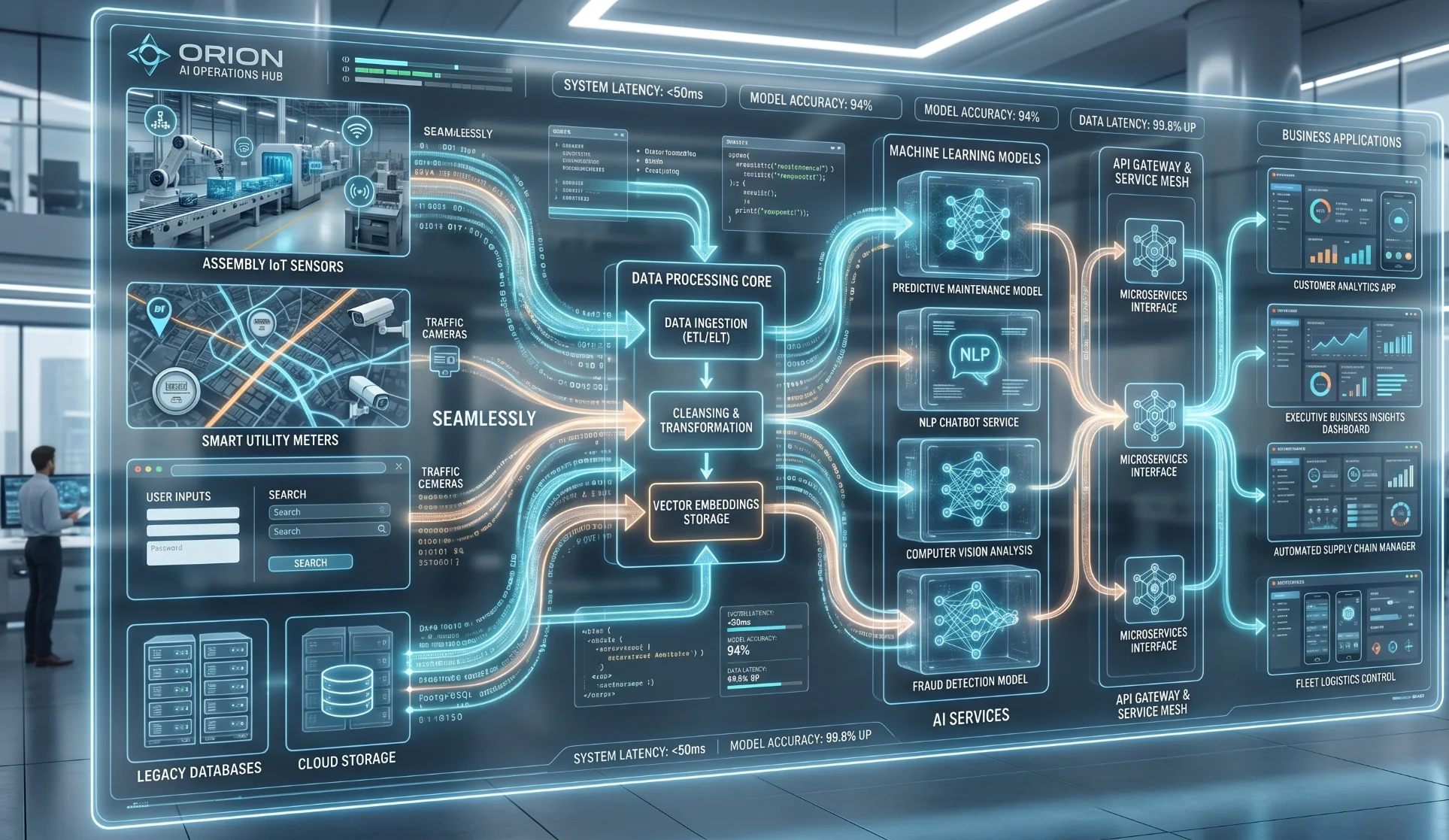
What a Real AI System Should Look Like
A working AI system should
Solve a clear business problem
Connect directly to workflows
Handle messy real-world data
Continuously improve
Be measurable in impact
Because AI does not create value in isolation
It creates value inside operations
What CEOs Should Ask Today
Before investing further in AI
Ask these questions
Is the system used daily
Do teams trust it
Is it connected to real workflows
Can we measure its impact
If the answer is unclear
Something is broken
The Biggest Insight From These Audits
The problem is not AI
The problem is execution
Most teams can build demos
Very few can build production systems
That gap is where most AI investments fail
Connect with Nyx Wolves and fix your AI execution
If you already have an AI system and it is not delivering as expected
We can audit it and show you exactly
How Nyx Wolves Helps
At Nyx Wolves, we work with companies to
Audit existing AI systems
Identify where they are breaking
Fix architecture and pipelines
Rebuild systems for production readiness
Align AI with real business outcomes
Because AI should not stay as an experiment
It should drive real results