Introduction
Insurance claims processing remains one of the most operationally intensive functions for insurers operating in Malaysia. For providers offering Life Insurance, the pressure to reduce turnaround time while maintaining compliance with PDPA has never been higher.
AI chatbots for insurance claims processing are rapidly becoming a core capability for insurers looking to modernize claims workflows without compromising accuracy, security, or customer experience.
This guide explains how AI chatbots are transforming claims operations in Malaysia, with a specific focus on Hospitalization workflows and real world deployment models used by insurers today.
Why Insurance Claims Processing Is Challenging in Malaysia
Insurance claims processing in Malaysia operates at the intersection of high customer expectations, strict regulatory oversight, and operational complexity. For insurers offering Life Insurance, claims are not just a back office function, they are the most visible moment of truth for the policyholder.
One of the primary challenges is the manual nature of Hospitalization workflows. Claims data often arrives through multiple channels including calls, emails, and forms, leading to inconsistent data quality and repeated follow ups. This increases processing time and creates frustration for both customers and claims teams.
Another major factor is regulatory compliance. Insurers in Malaysia must adhere to PDPA, which governs how personal and financial data is collected, stored, and processed. Manual handling increases the risk of compliance gaps, audit issues, and data exposure.
For CX Lead, visibility is also a persistent issue. Without centralized, real time insights into claim status, teams struggle to prioritize workloads, manage peak volumes, and meet service level expectations.
These challenges make claims processing expensive, slow, and difficult to scale, especially during high volume events or seasonal spikes.
What AI Chatbots Do in Insurance Claims Processing
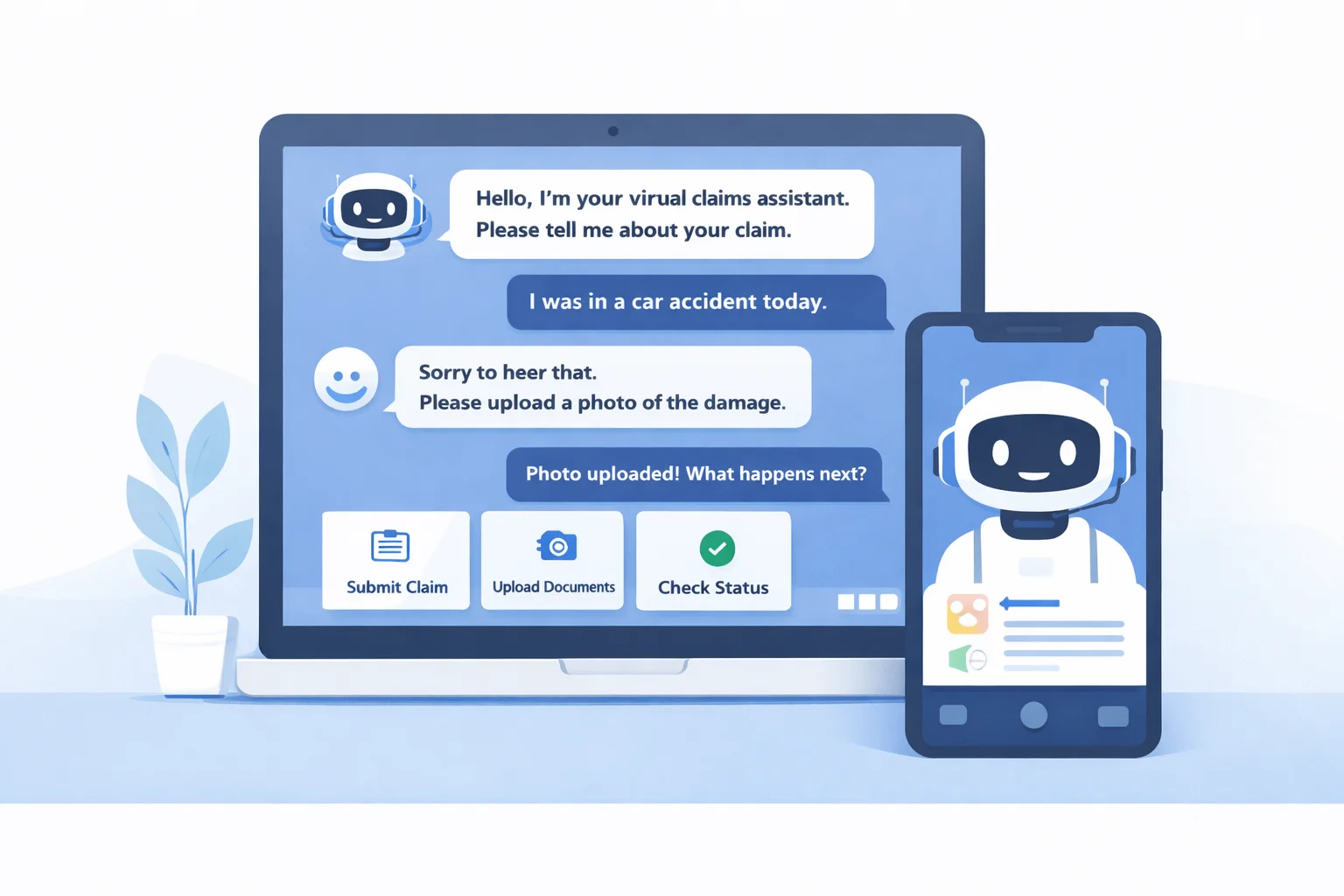
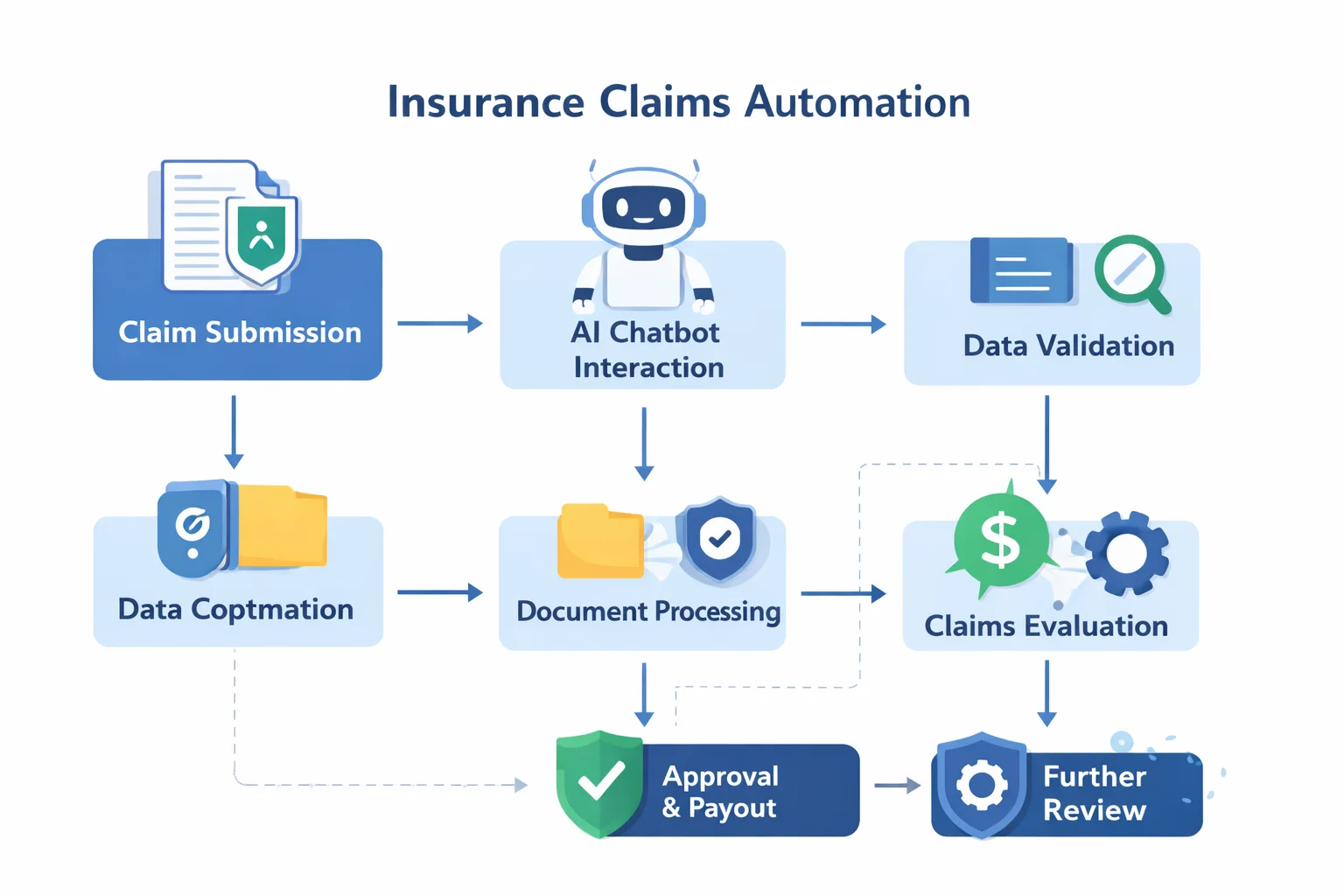
AI chatbots act as intelligent digital assistants that automate and orchestrate claims workflows across customer facing and internal systems.
For insurers in Malaysia, AI chatbots typically handle:
- Conversational claim intake for Hospitalization
- Real time validation of claim information
- Automated document collection and verification
- Status updates via WhatsApp and in app chat
- Internal assistance for CX Lead
At the core, these systems rely on LLM powered natural language understanding, structured data extraction, and workflow orchestration to understand intent, extract structured data, and trigger backend processes.
Compliance and Security Considerations in Malaysia
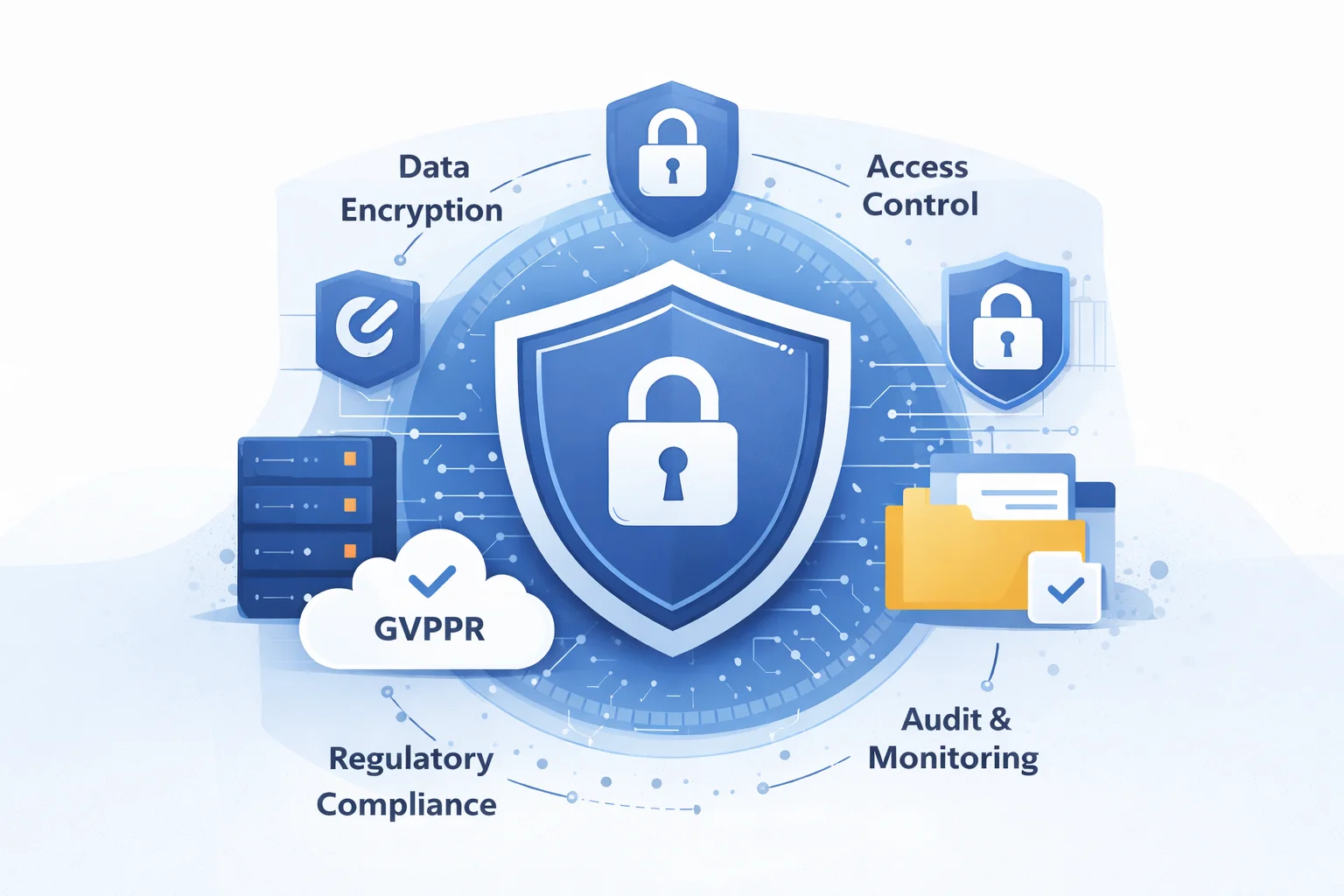
Claims processing involves some of the most sensitive data an insurer handles. In Malaysia, compliance with PDPA is non negotiable. AI chatbot implementations must be designed with security and compliance at the core. This includes secure authentication, encrypted data transmission, strict access controls, and detailed audit logs for every automated action.
Many insurers choose a cloud first with optional hybrid controls approach to meet local data residency and regulatory requirements. For example, on prem or hybrid deployments allow sensitive claim data to remain within controlled environments while still benefiting from AI automation. Equally important is transparency. AI driven decisions must be explainable, especially when they influence claim outcomes. Well designed AI chatbots support traceability and human oversight, ensuring regulatory confidence.
Multilingual and Localized Claims Experiences
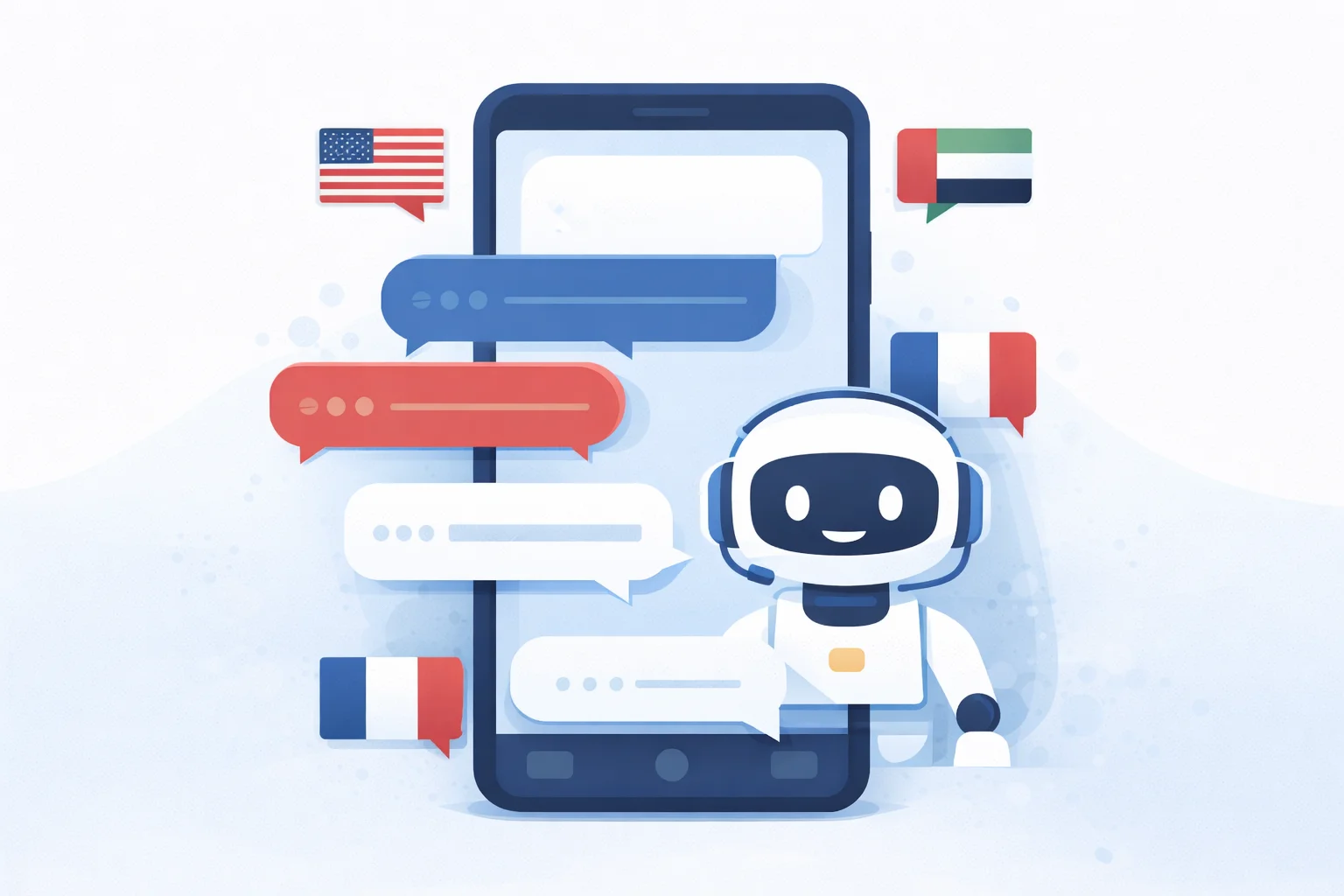
Insurance customers in Malaysia increasingly expect interactions in their preferred language and communication style. AI chatbots support this by enabling Malay and English interactions across the claims lifecycle. Beyond translation, modern chatbots understand local terminology, claim specific phrases, and cultural nuances that impact how customers describe incidents.
This localization improves accuracy during Hospitalization intake and reduces misunderstandings that lead to delays or rework. It also expands access to claims services for customers who may be underserved by traditional call center models. For insurers, multilingual chatbots reduce dependency on language specific staffing while delivering a consistent service experience.
Integration with Existing Insurance Systems
AI chatbots deliver real value only when tightly integrated with existing insurance infrastructure. Successful deployments connect chatbots with claims management system, policy admin, CRM, document management, and fraud analytics via APIs and event streams, claims management systems, policy administration platforms, CRM tools, and fraud detection engines. This allows chatbots to retrieve real time data, update claim records, and trigger automated workflows without manual intervention.
Modern chatbot architectures use APIs and event driven integration, ensuring minimal disruption to existing systems. This approach allows insurers to modernize claims processing incrementally rather than through costly system replacements.
Business Impact for Insurers in Malaysia
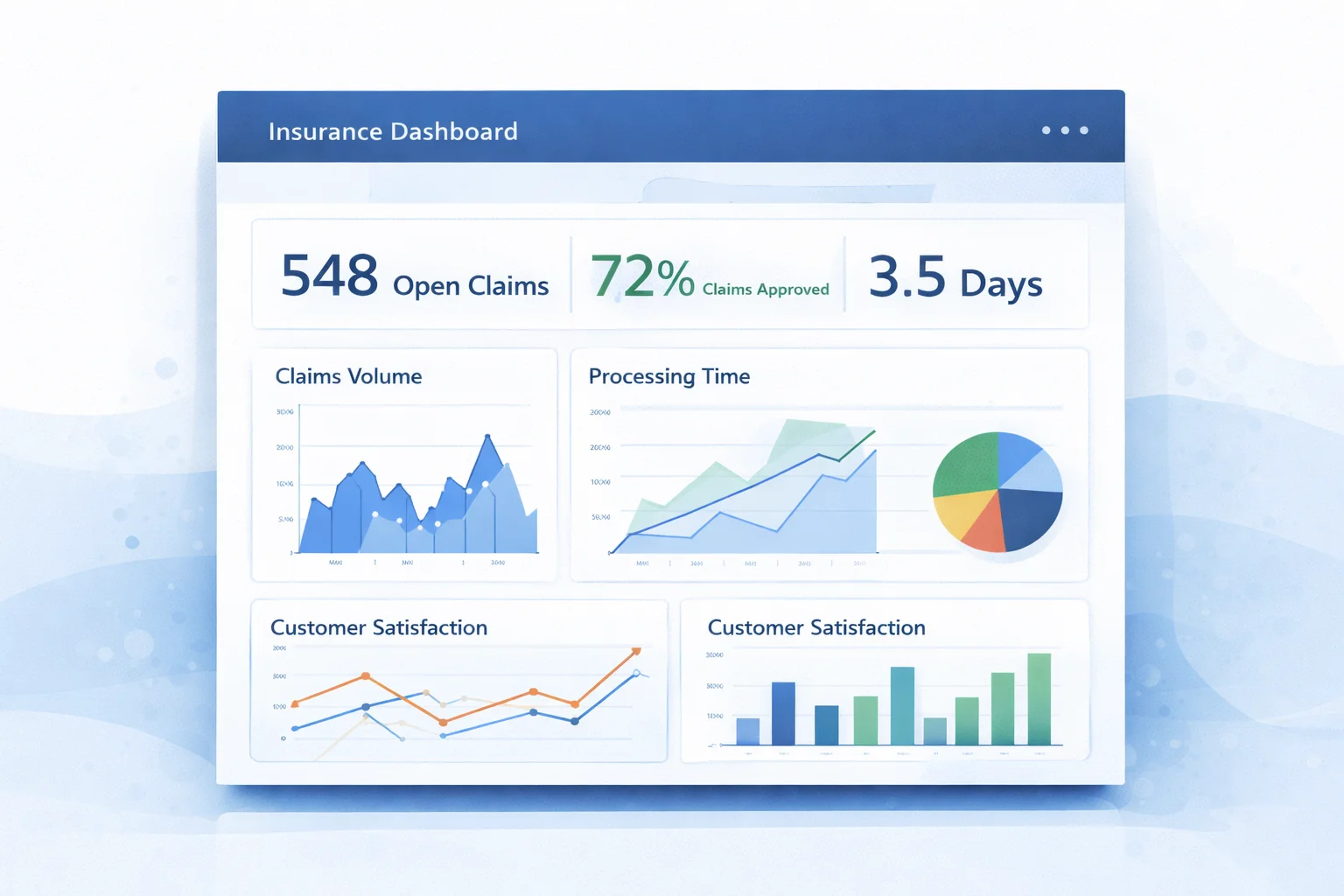
For insurers operating in Malaysia, AI chatbots deliver measurable operational and financial benefits. Organizations implementing AI chatbots for Life Insurance claims typically see reduced FNOL time, fewer inbound calls, and faster settlements, along with reductions in manual workload and call center volume. Claim cycle times shorten, customer satisfaction improves, and operational costs per claim decrease.
The level of automation can be tailored, ranging from straight through processing for simple claims with human in the loop escalation, depending on claim complexity and risk appetite. This flexibility allows insurers to balance efficiency with control. For leadership teams, these gains translate into improved profitability, stronger brand trust, and better scalability during peak demand periods. Industry research from McKinsey highlights how AI driven automation is becoming a critical lever for improving claims efficiency, cost control, and customer experience across global insurance markets.
Implementation Roadmap
Implementing AI chatbots for claims processing is most effective when approached in phases. The typical roadmap begins by identifying high volume, low complexity Hospitalization workflows. Insurers then define KPIs aligned with reduced FNOL time, fewer inbound calls, and faster settlements such as turnaround time reduction or cost savings.
Next comes technology selection, including cloud first with optional hybrid controls architecture and integration planning with claims management system, policy admin, CRM, document management, and fraud analytics via APIs and event streams. A pilot phase allows teams to validate performance, refine conversation flows, and train staff. Once proven, the solution can be scaled across additional products, regions, and channels, continuously optimized using analytics and feedback.
Key Metrics Improved by AI Chatbots in Insurance Claims Processing
| Metric | Before AI Chatbots | After AI Chatbots | Business Impact |
|---|---|---|---|
| Claim Intake Time | 24 to 72 hours | 5 to 15 minutes | Faster FNOL and reduced customer frustration |
| First Contact Resolution Rate | 40% to 55% | 70% to 85% | Fewer follow ups and escalations |
| Average Claim Cycle Time | 7 to 21 days | 2 to 7 days | Faster settlements and improved satisfaction |
| Manual Processing Effort | High human dependency | 40% to 65% automated | Lower operational cost per claim |
| Data Accuracy | Inconsistent | High due to validation | Reduced rework and errors |
| Compliance Risk | Medium to High | Low with audit logs | Improved regulatory confidence |
| Call Center Volume | High inbound load | 30% to 50% reduction | Reduced support costs |
| Claims Team Productivity | Limited scalability | 1.5x to 2x throughput | Better handling of peak volumes |
| Customer Satisfaction Score (CSAT) | Average | Significantly improved | Stronger brand trust and retention |
| Cost Per Claim | High | Reduced by 20% to 40% | Direct impact on profitability |
See How Claims Automation Works in Practice
Build vs Buy Decision
Insurers in Malaysia must decide whether to build AI chatbots internally or adopt an enterprise platform.
Building offers maximum customization but requires significant investment in AI expertise, compliance engineering, and ongoing maintenance. Buying or partnering accelerates time to value, especially when platforms are pre configured for insurance use cases and regulatory requirements.
For most insurers, the decision depends on internal capabilities, urgency, and long term scalability goals.
The Role of AI in Modern Low Code Platforms
AI chatbots are evolving beyond automation into predictive and proactive systems. Future capabilities include predictive claim routing, proactive outreach during events, deeper integration with computer vision for damage assessment, and autonomous resolution of simple claims.
For insurers in Malaysia, this evolution represents an opportunity to transform claims from a cost center into a strategic differentiator.
Conclusion
AI chatbots for insurance claims processing are becoming foundational to modern insurance operations. For Life Insurance providers in Malaysia, they offer a scalable way to improve efficiency, maintain compliance, and deliver better customer experiences while empowering CX Lead to focus on complex, high value decisions.
As claims volumes and expectations continue to rise, AI chatbots are no longer optional. They are a core capability for the future of insurance.
Explore AI Chatbots for Insurance Claims
Partner with Nyx Wolves
As an experienced provider of AI and IoT software solutions, Nyx Wolves is committed to driving your digital transformation journey.
Your benefits:
- Client-oriented
- Independent
- Competent
- Results-driven
- Problem-solving
- Transparent
What happens next?
We Schedule a call at your convenience
We do a discovery and consulting meeting
We prepare a proposal
Schedule a Free Consultation
See Our Case Studies
AI-powered job matching platform
PerpectV AI-Powered Job Matching Platform for Leading South African
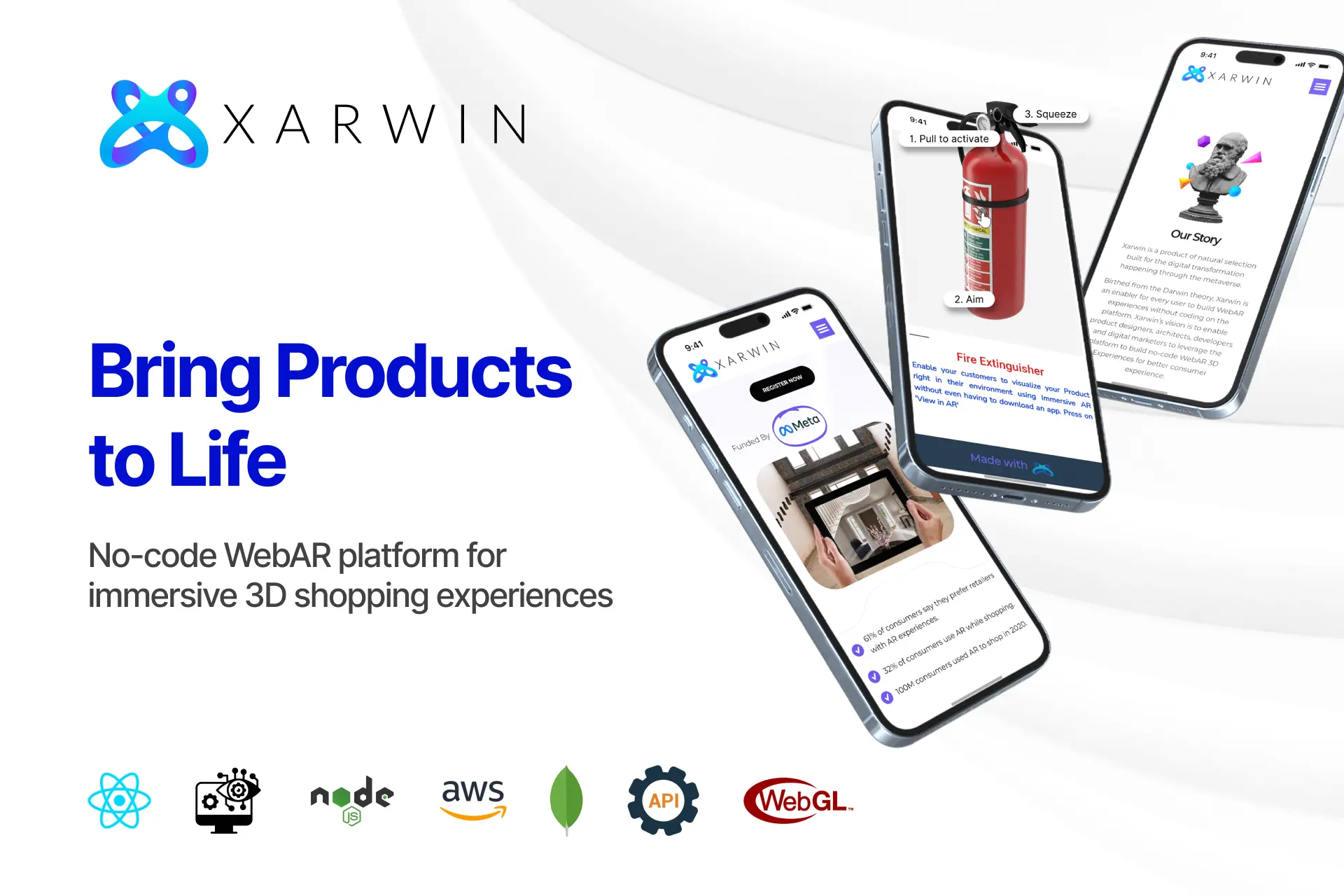
No-code web based AR Platform
Revolutionizing Online Product Showcase with No-Code WebAR Xarwin is
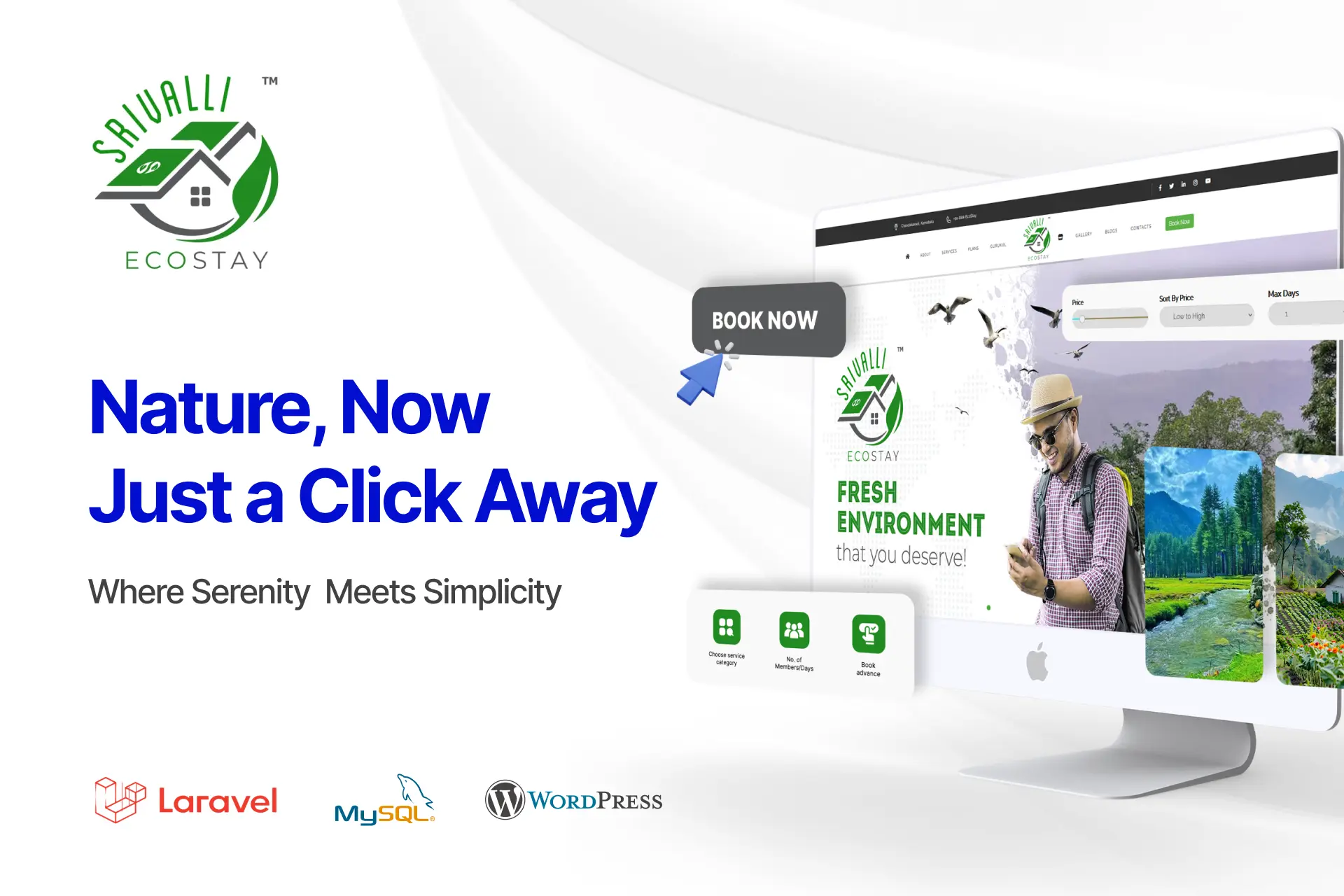
Case Study – Ecostay
Srivalli Ecostays offers a unique hospitality experience, allowing guests